History of Türkiye
Ancient Anatolia, Hittites, Greek and Roman cities, Byzantine, Seljuk, Ottoman and the modern Republic.
Historical timeline
Ancient Anatolia
Anatolia hosted some of humanity's earliest temples, towns and trade networks long before classical antiquity.
1700–1180 BCEHittites
The Hittite Empire ruled central Anatolia and rivalled Egypt, leaving capitals, treaties and rock sanctuaries.
1000 BCE – 400 CEGreek & Roman cities
The Aegean and Mediterranean coasts hosted some of the greatest cities of the classical world.
330–1453 CEByzantine Empire
Constantinople was the capital of the Eastern Roman world for over a thousand years.
1077–1308 CESeljuk period
The Seljuks brought Turkic culture, Persian arts and Islamic architecture to Anatolia.
1299–1922 CEOttoman Empire
From a small principality in Bursa to a global empire spanning three continents.
1923 – todayModern Republic of Türkiye
Atatürk founded the Republic in 1923, reshaping language, law, education and daily life.
Historical places to visit
 Troy
Troy Hierapolis / Pamukkale
 Bursa Ottoman heritage
 Konya & Rumi
 Cappadocia underground cities
History routes
In brief
Why Istanbul matters
Three empires—Roman, Byzantine and Ottoman—chose Istanbul as their capital. Few cities concentrate so much world history in one skyline.
Why Anatolia is so important
Anatolia hosted the world's earliest temples (Göbekli Tepe), early farming, the Hittites, Greek and Roman cities, Byzantine monasticism and Seljuk caravan routes.
Roman and Byzantine legacy
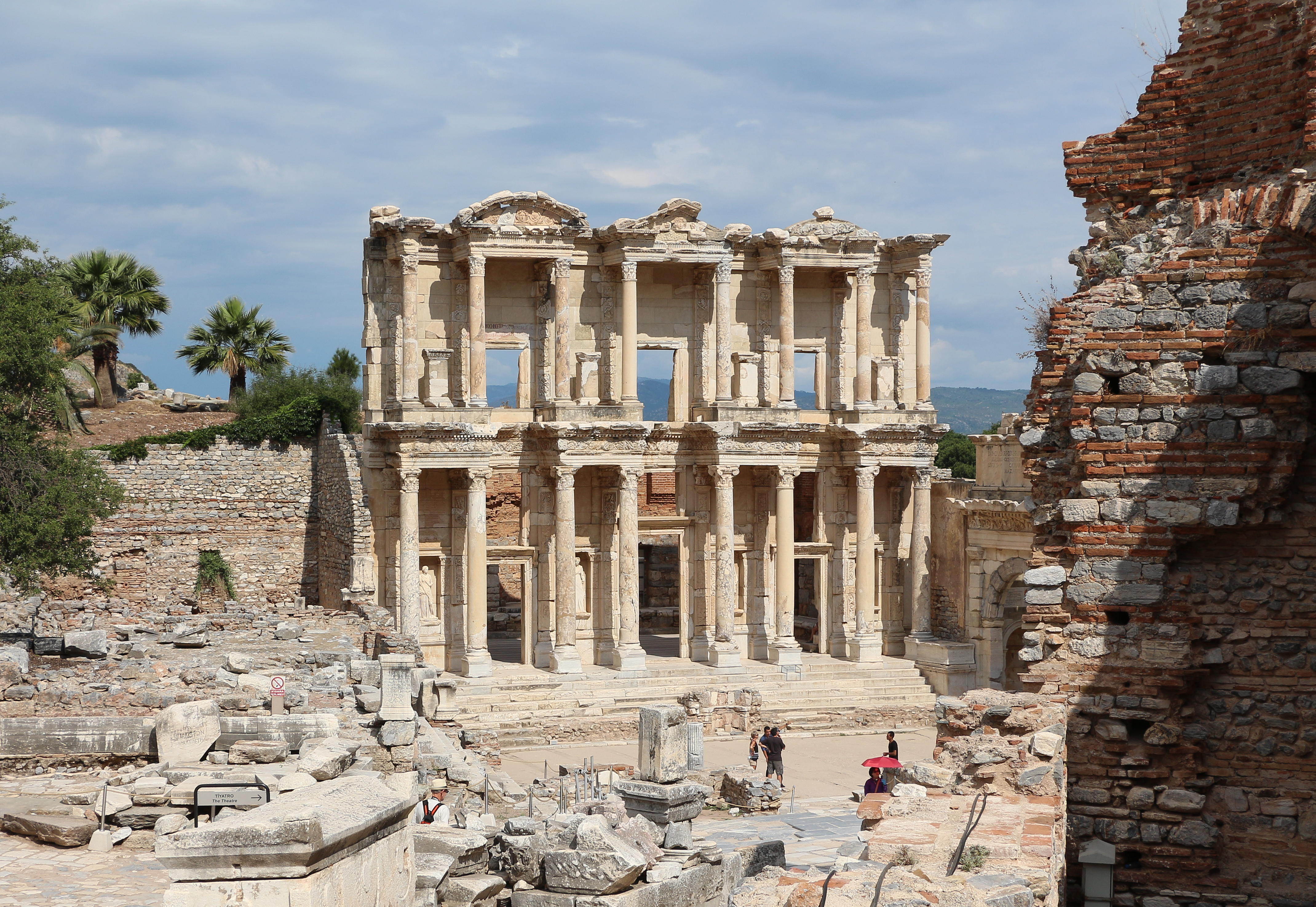
Theatres, libraries, baths, churches, cisterns and city walls survive across Ephesus, Pergamon, Aspendos, Hierapolis and Istanbul.
Ottoman architecture and daily life
Imperial mosques, hammams, bazaars and külliyes shaped neighbourhoods from Bursa and Edirne to Istanbul and beyond.
Silk Road and caravan routes
Seljuk caravanserais across central Anatolia hosted traders moving between Asia, Persia and the Mediterranean.
Religious and cultural crossroads
Anatolia is where early Christianity, Sufi Islam, Greek philosophy and Anatolian folk traditions met and reshaped each other.